Level 1 of 3
Beginner
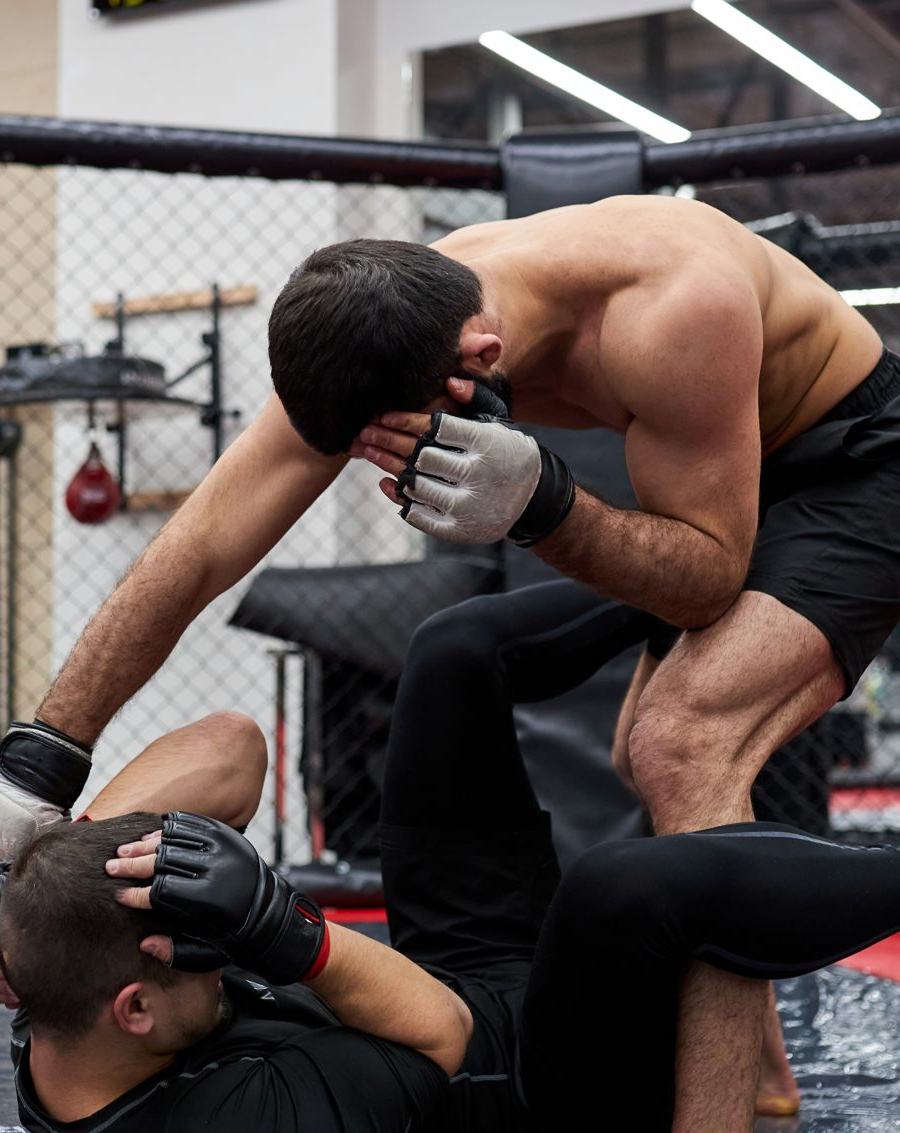
- Stance that works for striking and wrestling
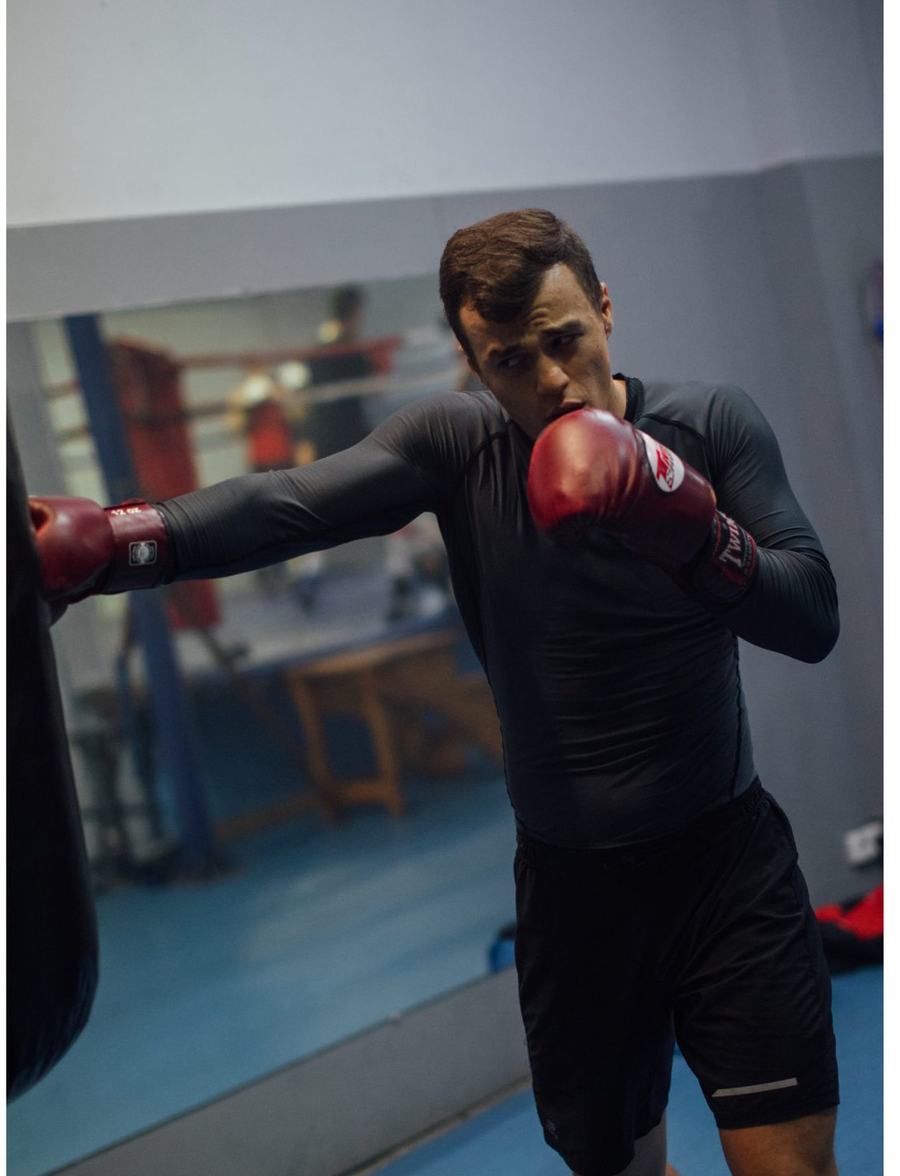
- Basic punches, kicks and defense
- Simple takedowns and the sprawl
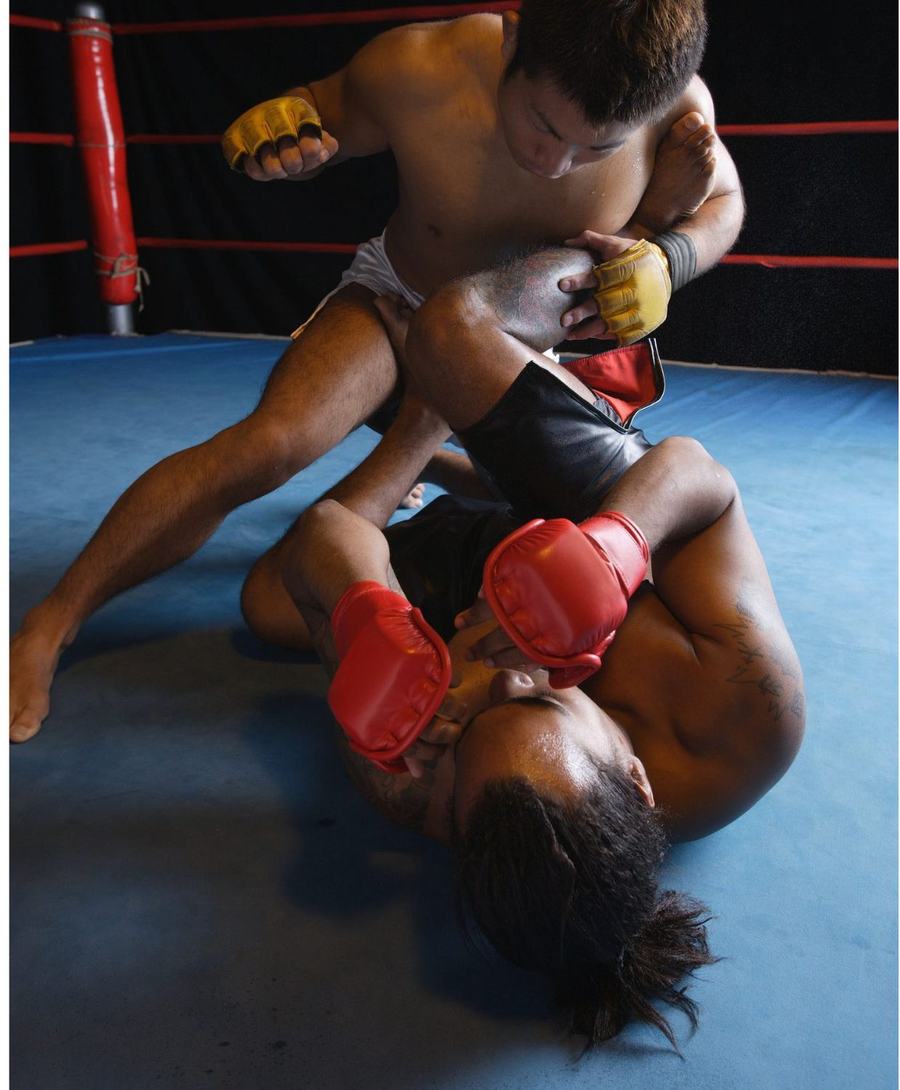
- Escapes and getting back to your feet
Everything, combined
Mixed Martial Arts, combining techniques from wrestling, boxing, Jiu Jitsu, and Muay Thai.
The basics
MMA, or Mixed Martial Arts, combines fighting techniques from wrestling, boxing, Jiu Jitsu and Muay Thai. Instead of specialising in one range, you learn to strike on the feet, fight in the clinch, take an opponent down and control them on the ground.
The real skill is moving between those ranges: setting up a takedown with punches, or getting back to your feet when you are taken down. That makes MMA the most complete combat sport to train, whether you want to compete or simply be well-rounded.
6Benefits
What people get out of it, across every range.
Striking, wrestling and grappling in one sport, so there are no gaps in your game.
Explosive, varied training builds strength, power and cardio together.
You learn what to do standing up, against a wall and on the ground.
Switching between ranges teaches you to think fast and adjust under pressure.
No two classes feel the same, which keeps training fresh week after week.
Combining several arts takes patience and consistency, on and off the mat.
4The four phases
An MMA exchange can move through all four phases in seconds. Each one borrows from a different discipline.
Punches, kicks and footwork at range, drawn from boxing and Muay Thai.
Close-range control against an opponent or the cage, with knees, elbows and dirty boxing.
Wrestling shots, trips and throws to bring the fight down, and the sprawl to stop them.
Positional control, ground strikes and submissions from Jiu Jitsu, plus getting back up.
Most beginner classes teach each phase on its own before linking them together.
3Progression
A typical path from your first class onwards. Each gym sets its own curriculum, so check the class description when you book.
Level 1 of 3
Level 2 of 3
Level 3 of 3
4Parts of a class
Most MMA classes follow the same rhythm. Here is what to expect when you walk in.
Movement drills that mix footwork, sprawls and ground movement.
The coach teaches one phase or a link between two, such as strikes into a takedown.
You repeat it with a partner, on pads or on the mats.
Light, controlled rounds from set positions. Beginners can opt out of sparring.
What to bring
Open-finger MMA gloves let you strike and grapple; some classes use boxing gloves for striking drills. Many gyms lend kit for a first class; check the class listing.
A rash guard or fitted T-shirt and shorts without zips or pockets. Training is barefoot. Bring a gum shield, and shin guards if you spar.
Find a gym near you, choose your slot and pay for that session only. No membership, no contract.
?MMA FAQ
Something else? Send us a message.
No. Classes are designed to meet your level of experience, from beginner to advanced. Beginner MMA classes teach each phase from scratch.
No. Many people train MMA for fitness, self-defense and all-round skills, and never compete.
Not unless you want to. Sparring is optional, and beginners usually start with light, controlled drills from set positions.
MMA gives you a bit of everything. Many people also book Boxing, Muay Thai or Jiu Jitsu sessions to sharpen one area, which is easy when you pay per session.
No. With Gear Up MMA you book and pay per session, so you can train as often or as rarely as you like.