Level 1 of 3
Beginner
- Stance, guard and footwork
- Basic punches and the roundhouse kick
- Straight knees and the teep (push kick)
- Checking kicks with your shin
The art of eight limbs
Known as the "Art of Eight Limbs," it uses fists, elbows, knees, and shins for striking.
The basics
Muay Thai is the national combat sport of Thailand. Known as the "Art of Eight Limbs", it uses fists, elbows, knees and shins for striking, so you have eight weapons instead of two.
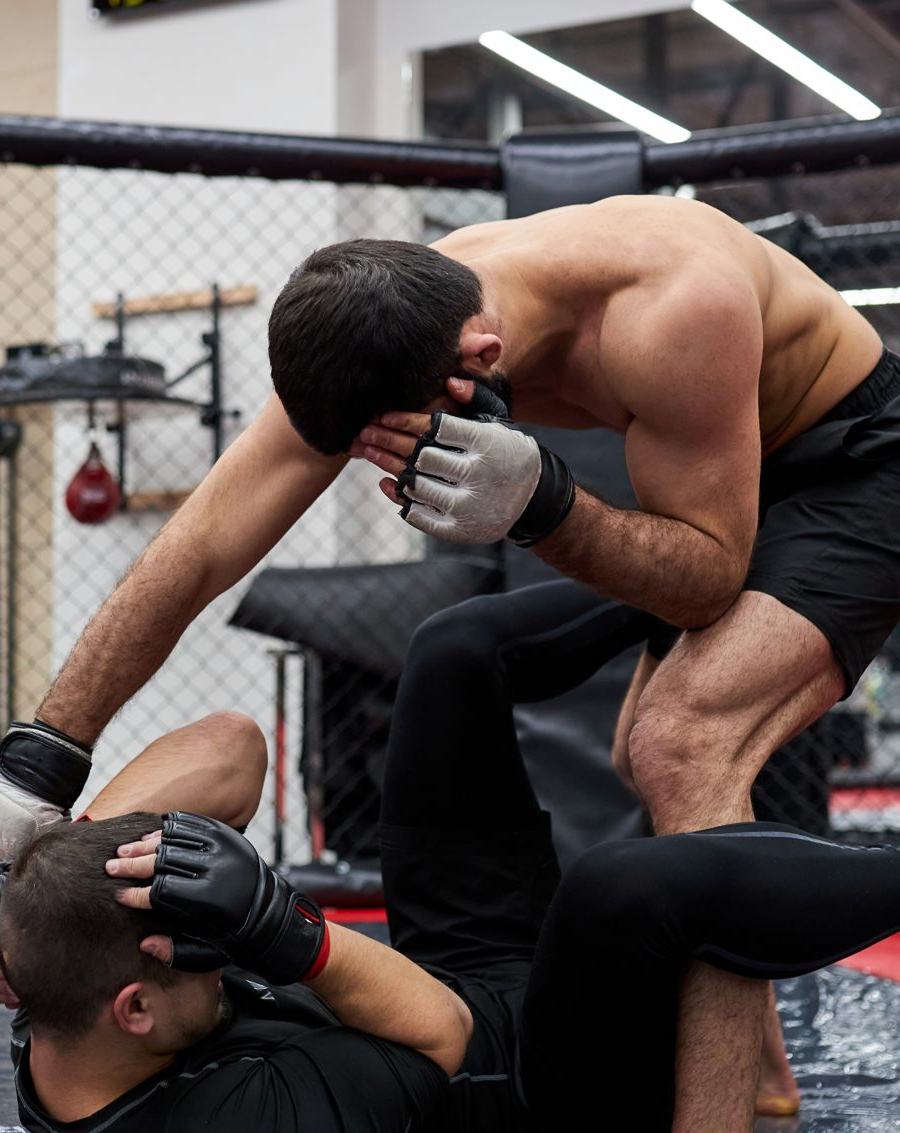
It is also famous for the clinch: close-range grappling on the feet where you control your opponent's head and land knees. Classes mix technique with hard pad rounds, which makes it one of the most demanding workouts in combat sports.
6Benefits
What people get out of it, round after round.
Kicks, knees and clinch work train legs, core, shoulders and cardio together.
You learn to generate power from your hips with every punch, kick and knee.
Knowing how to strike and defend at every range builds real self-belief.
Timed rounds on pads and bags push your stamina further each session.
Reading kicks, checking and countering keeps your mind sharp under pressure.
Muay Thai carries a strong culture of respect for coaches, partners and the sport.
8The eight limbs
Two fists, two elbows, two knees and two shins. Each one works best at a different range, and good Muay Thai links them together.
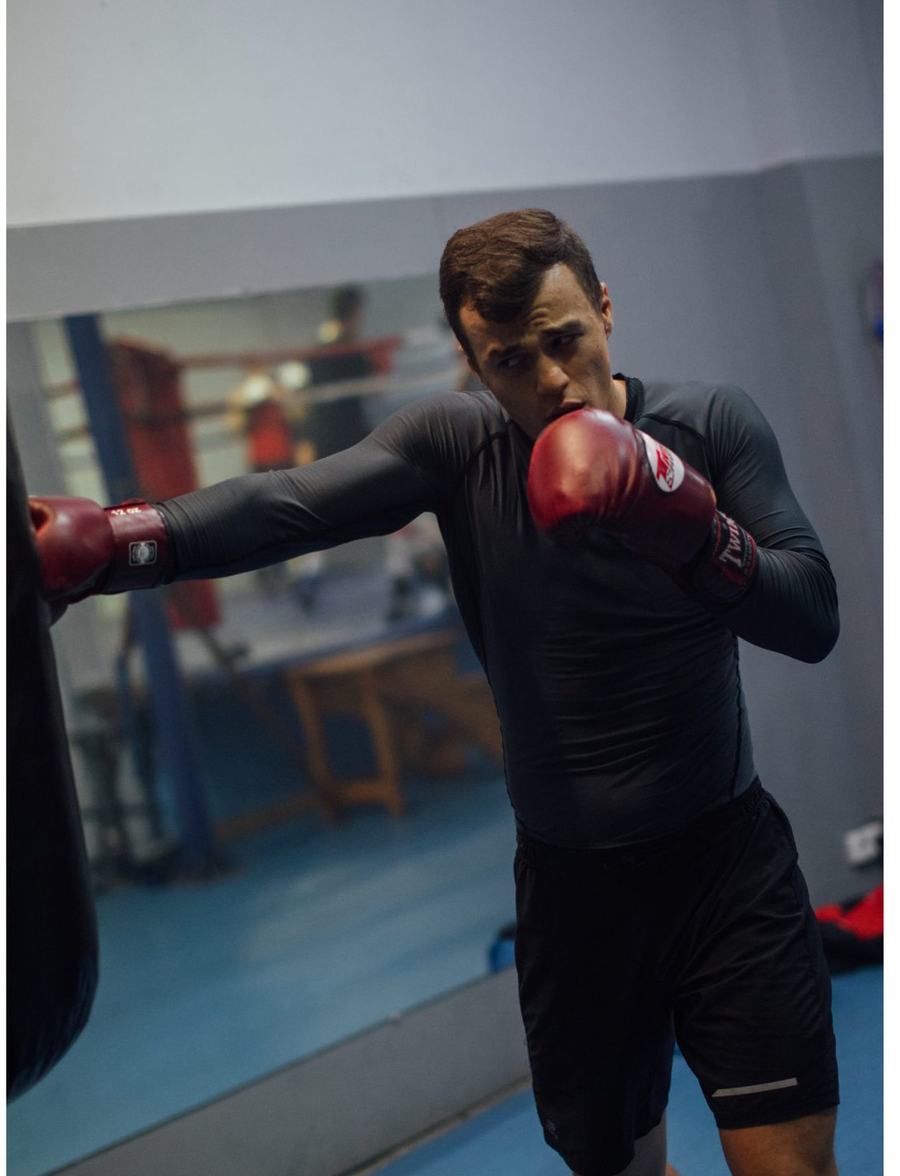
Jab, cross, hook and uppercut, as in boxing, used to set up kicks and close the distance.
Short, sharp strikes at close range, thrown horizontally, upwards or downwards.
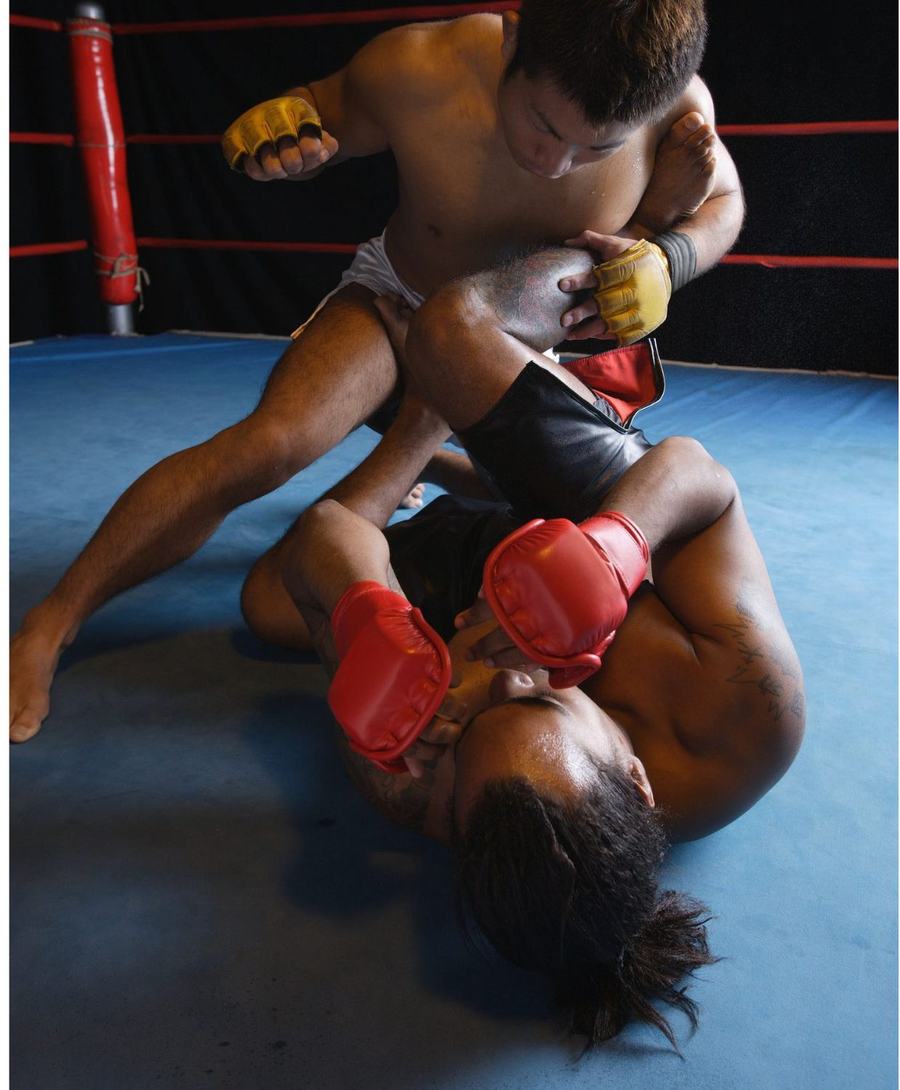
Driven straight up or in from the side, especially powerful from the clinch.
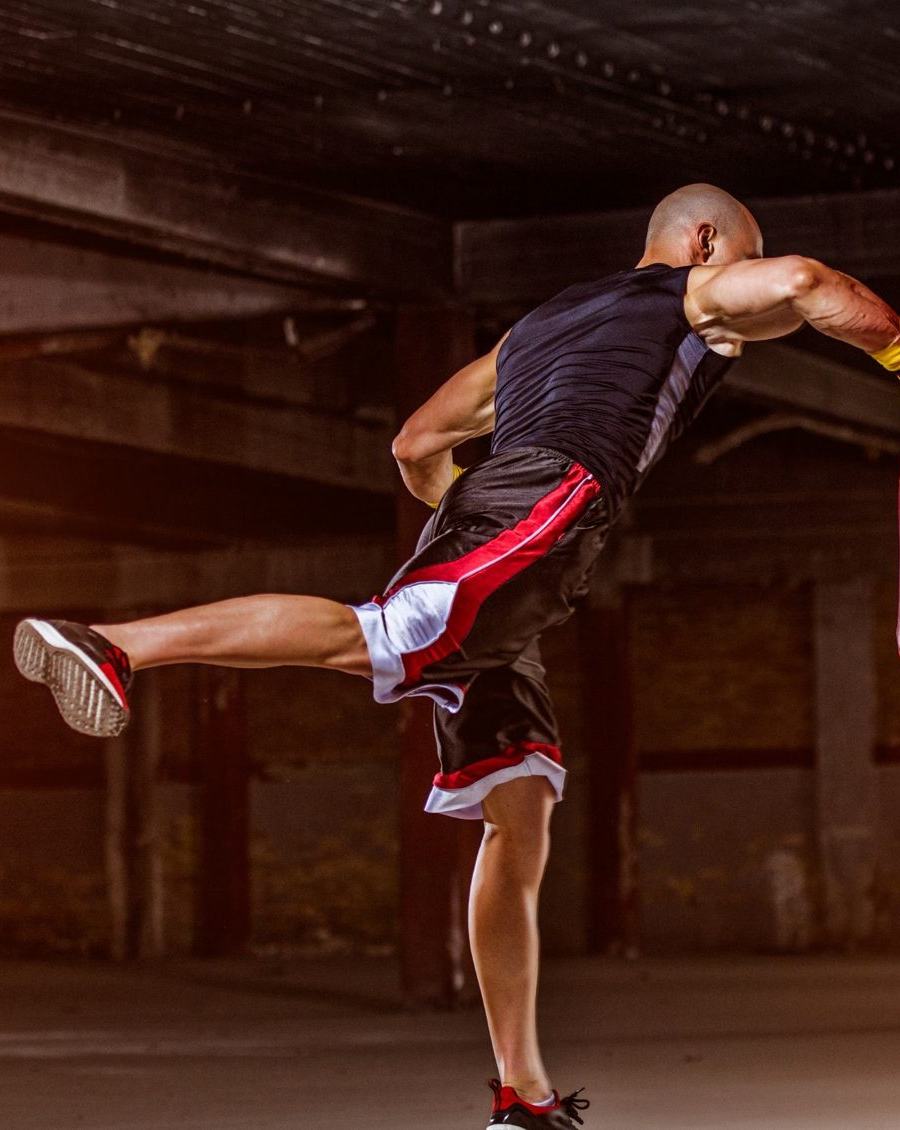
The roundhouse kick lands with the shin, to the legs, body or head. The signature strike of the sport.
Elbows and full-power knees are usually practised on pads and saved for advanced, supervised sparring.
3Progression
A typical path from your first class onwards. Each gym sets its own curriculum, so check the class description when you book.
Level 1 of 3
Level 2 of 3
Level 3 of 3
4Parts of a class
Most Muay Thai classes follow the same rhythm. Here is what to expect when you walk in.
Skipping, shadow boxing and stretching, especially hips and legs for kicking.
The coach demonstrates a strike, combination or clinch position.
Rounds with a partner holding pads, or on the heavy bag.
Clinch drills and a conditioning finisher. Sparring is optional for beginners.
What to bring
Wraps protect your wrists and knuckles. Many gyms lend gloves for your first class; check the class listing. Training is barefoot.
Shorts you can kick in (Muay Thai shorts are ideal) and a T-shirt. Shin guards and a gum shield are needed if you join sparring.
Find a gym near you, choose your slot and pay for that session only. No membership, no contract.
?Muay Thai FAQ
Something else? Send us a message.
Muay Thai uses eight points of contact for striking: two fists, two elbows, two knees and two shins.
Yes. Classes are designed to meet your level of experience, from beginner to advanced. You start with stance, basic strikes and kicks, and build up from there.
Not unless you choose to spar. Beginner classes focus on technique, pads and bag work, and sparring is optional.
Muay Thai adds elbows, knees and the clinch to punches and kicks, while many kickboxing styles limit or ban them.
No. With Gear Up MMA you book and pay per session, so you can train as often or as rarely as you like.